What to Expect from Qualified Property Service Providers in Denver
Hiring a building contractor in Denver is not the same as hiring one in a mild, flat, predictable market. Denver projects live with clay soils, freeze-thaw cycles, hail exposure, sudden temperature swings, high-altitude UV, tight urban lots, older housing stock, evolving energy codes, and a permitting process that rewards preparation. A contractor who looks good on paper but lacks local field experience can turn a straightforward remodel, tenant improvement, addition, or ground-up build into months of stress.
Professional Building Contractors Denver property owners can rely on do more than swing hammers and schedule crews. They interpret plans, anticipate code issues, coordinate trades, control budgets, protect the site, communicate plainly, and take responsibility when real conditions do not match the drawings. That last part matters. Every project eventually tests the team. The question is not whether problems will appear. The question is whether your Denver General Contractor has the judgment, relationships, and systems to solve them without letting the project drift.
For homeowners, investors, commercial owners, and developers, knowing what to expect from a professional contractor makes the hiring process sharper. It also helps you recognize the difference between a low bid and a complete bid, between a busy salesperson and a qualified builder, and between a contractor who hopes the job goes smoothly and one who has already planned for the rough spots.
Denver construction has its own personality
Denver looks simple from a distance. Strong demand, active neighborhoods, steady commercial redevelopment, and a deep pool of trades can make the construction market appear straightforward. On the ground, it is more complicated.
Many Denver homes were built decades ago, and remodels often reveal framing modifications, obsolete wiring, galvanized plumbing, unpermitted basement work, uneven foundations, and insulation gaps hidden behind finished walls. Commercial spaces bring their own surprises, especially in older corridors where previous tenants altered mechanical, electrical, or plumbing systems without leaving clean documentation. A professional Contractor Denver CO owners can trust approaches existing buildings with curiosity, not assumptions.
Soils also deserve attention. Certain areas along the Front Range have expansive clay, which can move with moisture changes. That does not mean every project needs extreme foundation measures, but it does mean the contractor should understand when to involve engineers, when to review geotechnical information, and when drainage details cannot be treated as afterthoughts. Roofs, exterior cladding, decks, and concrete also face Denver’s weather patterns. Hail can punish cheap materials. Snowmelt can expose poor flashing. Afternoon storms can test site protection. Strong sun can shorten the life of certain finishes if they are not chosen carefully.
Professional Colorado Contractors know these factors are not excuses. They are planning inputs. The right team accounts for them before mobilization, not after the first change order.
A professional contractor starts by listening, then testing the idea
The first meeting should not feel like a rushed sales appointment. A seasoned Denver General Contractor will ask what you are trying to accomplish, how the space needs to function, what your budget range looks like, when you need the work completed, and what risks worry you most. Good contractors listen for the practical details that rarely fit neatly on drawings: where employees will park during a tenant improvement, whether the family can live through a kitchen remodel, how deliveries will reach a narrow alley lot, or whether a business can remain open while work happens in phases.
This early conversation should also include some gentle pressure testing. If a homeowner wants to remove several walls in a 1920s bungalow, the contractor should explain that structural review may be needed before anyone talks confidently about cost. If a retail owner wants a fast opening date, the contractor should talk frankly about permit review time, long-lead equipment, inspection sequencing, and utility coordination. If a developer wants premium finishes inside a tight budget, the contractor should help separate must-haves from nice-to-haves before design decisions harden.
That is one of the clearest differences between professional General Contracting Firms Denver clients recommend and contractors who simply chase signatures. A strong contractor does not say yes to everything. They clarify, challenge, and guide. Persuasion in this business should not mean telling clients what they want to hear. It should mean helping them make decisions that survive contact with the job site.
The estimate should tell a story, not hide behind a single number
One of the biggest mistakes owners make is comparing bids by the bottom line alone. A proposal for $185,000 may be more expensive than a proposal for $162,000, or it may simply https://pastelink.net/n8xk0l78 be more honest. The only way to know is to examine what is included, what is excluded, what allowances are realistic, how labor is carried, and whether the schedule assumptions match the scope.
Professional Denver General Contractors typically provide estimates with enough detail to show how the project is being built. That does not mean every screw and tube of sealant needs its own line item. It does mean you should be able to understand major categories such as demolition, framing, concrete, electrical, plumbing, mechanical, insulation, drywall, finishes, roofing, windows, doors, sitework, supervision, permits, and contingency. For commercial projects, you may also see fire alarm, fire suppression, accessibility upgrades, low-voltage systems, storefront, millwork, and commissioning.
Allowances deserve special attention. An allowance is not a fixed price. It is a placeholder for something not fully selected or defined. For example, a bathroom tile allowance of $4 per square foot leads to a very different finished space than one at $12 per square foot. Cabinetry, countertops, light fixtures, plumbing fixtures, flooring, appliances, and specialty hardware often carry allowances during early pricing. A professional provider of General Contracting Services Denver owners can depend on will explain these numbers clearly and encourage selections early enough to protect both budget and schedule.
You should also expect exclusions. In fact, exclusions are a sign of honesty when they are specific. If landscaping, utility tap fees, asbestos abatement, furniture, window coverings, design fees, or after-hours work are not included, the proposal should say so. Vague exclusions create disputes later. Clear exclusions create informed decisions now.
Permitting and code compliance are not clerical details
Permits can frustrate owners because the process feels invisible until it delays a start date. Professional Contractors in Denver do not treat permitting as a side task handled whenever someone has spare time. They identify permit requirements early, check whether drawings are complete enough for submittal, coordinate responses to plan review comments, and schedule inspections in a realistic sequence.
Denver’s building requirements vary by project type, location, use, and scope. Residential interior remodels, additions, basement finishes, accessory dwelling units, commercial tenant improvements, restaurant buildouts, multifamily renovations, structural alterations, and exterior modifications can all trigger different reviews. Zoning, landmark preservation, right-of-way work, stormwater, accessibility, energy compliance, mechanical ventilation, and fire protection can enter the picture depending on the job.
A professional Denver Contractor Services team will not promise that permits are “no big deal” before reviewing the scope. Sometimes permits move efficiently. Sometimes plan review comments require design revisions. Sometimes an inspection uncovers an issue that must be corrected before the next phase can proceed. Experienced Colorado General Contractors build time for these realities into the schedule. They also keep owners informed, because uncertainty feels worse when no one explains what is happening.
Skipping permits can look tempting on small jobs, especially when someone says, “Nobody will know.” That is poor advice. Unpermitted work can complicate resale, insurance claims, future remodeling, and safety. If electrical, plumbing, structural, or life-safety work is involved, proper permits and inspections protect the owner as much as the contractor.
Scheduling should be realistic, not theatrical
Every owner wants a fast project. Good contractors want speed too, because delays consume supervision time, strain trade relationships, and create unhappy clients. But professional scheduling is not wishful thinking. It is a coordinated plan that accounts for lead times, trade availability, inspections, weather, material procurement, client selections, and the order in which work must physically occur.
A small residential remodel might run six to twelve weeks after permits and material readiness, depending on scope. A major addition can take several months. A commercial tenant improvement might move quickly if the design is complete and the space is simple, but restaurants, medical offices, labs, and heavily modified spaces often require more coordination. Ground-up construction adds sitework, utilities, foundations, building envelope, and more weather exposure.
Professional Contracting Services Denver clients value will usually identify schedule risks before construction begins. Custom windows may have long lead times. Electrical gear can affect commercial timelines. Specialty tile from overseas may not arrive when the showroom promised. Millwork shop drawings need review before fabrication. Utility coordination can move at its own pace. A contractor who talks about these constraints is not being negative. They are protecting you from surprises.
The best schedules also include owner decision dates. If tile must be selected by a certain Friday to keep the installer on track, that date should be visible. If a landlord must approve a storefront change, that approval should be tied to the construction sequence. Many delays blamed on contractors actually begin as slow decisions, late selections, or incomplete drawings. Professional Denver Contractors Services make those dependencies plain.

Communication is where professionalism shows every week
Construction creates noise, dust, cost pressure, and hundreds of decisions. Even a well-run project disrupts normal life. Communication determines whether that disruption feels controlled or chaotic.
You should expect a regular rhythm. On a small project, that may be a weekly update by phone or email. On a larger project, it may include site meetings, written meeting notes, updated schedules, submittal logs, change order logs, and budget reports. The exact format matters less than consistency. Owners should know what happened last week, what is happening next, what decisions are needed, what costs have changed, and what risks are emerging.
Professional Contractors Denver clients return to tend to communicate bad news early. If demolition reveals rotted framing behind a shower wall, they do not hide it until invoice time. They document it, explain options, price the correction, and discuss schedule impact. If an inspection fails, they explain why and how it will be corrected. If a subcontractor misses a date, they adjust the plan and tell the owner what changes.
Poor communication often starts with avoidance. The contractor stops answering calls, gives vague responses, blames everyone else, or says “we’re waiting on materials” without specifics. A professional Denver General Construction Contractors team understands that trust is built through facts. Owners do not need perfection. They need candor, competence, and follow-through.
A clean site is not cosmetic
People sometimes underestimate job-site discipline. Cleanliness, storage, temporary protection, and safety practices reveal how a contractor thinks. A messy site slows trades, increases damage, invites accidents, and frustrates inspectors. A professional contractor sees order as part of production.
In occupied homes, dust protection can make the difference between a tolerable remodel and a miserable one. Zip walls, floor protection, air filtration, sealed returns, careful demolition, and daily cleanup help protect the parts of the house not under construction. In commercial spaces, site control affects employees, customers, neighboring tenants, and property managers. Tools, cords, debris, and open penetrations all need management.
Denver weather raises the stakes. A roof opened for work must be protected before afternoon storms. Materials left outside need proper covering and elevation. Concrete pours require temperature awareness. Exterior work must account for wind, snow, and rapid changes. Professional Contractors in Colorado know that “we’ll deal with it tomorrow” can become expensive overnight.
Safety should also be visible. You do not need to be a safety officer to notice whether workers use ladders properly, keep exits clear, manage fall hazards, and respect occupied spaces. For commercial work, safety documentation and insurance requirements may be more formal, especially in managed buildings or multi-tenant properties. Professional General Contract Services Denver CO providers are prepared for that level of oversight.
Subcontractor relationships can make or break the project
Most general contractors rely on subcontractors for specialized work. Electricians, plumbers, HVAC technicians, roofers, framers, drywall crews, concrete finishers, painters, flooring installers, fire protection contractors, and low-voltage specialists each affect the final result. A general contractor’s job is to select, schedule, coordinate, supervise, and hold these trades accountable.
The cheapest contractor often uses whoever is available at the lowest price. That can work on simple tasks, but it becomes risky when scope is complex or timelines are tight. Established Denver General Contractors build repeat relationships with trades who understand their standards. Those relationships matter when a schedule needs help, when a design detail needs field input, or when a warranty issue needs quick attention.
A strong general contractor does not simply pass messages between owner and subs. They interpret conflicts before they become field problems. For instance, the HVAC route may conflict with recessed lighting. A plumbing wall may affect a cabinet layout. Fire sprinkler heads may interfere with ceiling design. Commercial kitchen equipment may require electrical, gas, plumbing, ventilation, fire suppression, and health department coordination. Someone must see the whole board, not just one piece.
That is the real value of a professional General Contractor Denver owners should seek: integration. Construction fails when everyone does their own task in isolation. It succeeds when one accountable lead manages the sequence, the details, and the trade-offs.
Change orders are normal, but they should not be sloppy
Many owners fear change orders because they associate them with surprise costs. Some of that fear is justified. Poorly defined scopes and lowball bids often lead to painful change orders. Still, not all change orders are signs of bad contracting. Some come from owner upgrades. Some come from hidden conditions. Some come from plan revisions. Some come from code requirements discovered during review or inspection.
Professional handling makes the difference. A change order should describe the scope, explain the reason, show the cost, identify schedule impact if any, and receive approval before work proceeds whenever possible. Emergencies happen, especially when safety or weather protection is involved, but those should be exceptions.
Here is a short list of change order situations that are common in Denver projects:
- Hidden water damage behind exterior walls or around old windows
- Electrical panels that need upgrades to support new loads
- Structural conditions that differ from assumptions in the drawings
- Owner-selected finishes that exceed original allowances
- Code or inspection requirements tied to existing conditions
A professional contractor does not use change orders as a business model. They use them as a project control tool. The more complete the drawings, selections, and site investigation are before construction, the fewer surprises you should face. But no one can see through concrete, drywall, or soil with perfect accuracy. A trustworthy Denver General Contractor will help you separate legitimate unforeseen work from poor planning.
Quality is built in stages, not inspected at the end
Owners often judge quality by finishes: straight tile lines, smooth paint, tight trim, level floors, clean caulk, and doors that latch properly. Those details matter, but they are the visible end of a longer chain. Quality starts with layout, framing, waterproofing, air sealing, flashing, mechanical routing, substrate preparation, and sequencing.
A beautiful shower can fail if waterproofing was rushed. A new addition can feel uncomfortable if insulation and air sealing were treated casually. A commercial space can look finished while hidden access panels, dampers, valves, and cleanouts are poorly coordinated. A roof can pass a quick glance and still have flashing details that invite leaks during the next heavy storm.
Professional Colorado General Contractors inspect work while it can still be corrected efficiently. They check framing before drywall, waterproofing before tile, rough-ins before cover, and exterior details before finishes hide them. They also understand when to involve designers, engineers, inspectors, or manufacturer representatives. Good builders are not offended by scrutiny. They expect it.
Quality also means matching expectations to budget. Not every project needs luxury finishes or custom everything. A professional contractor can build durable, attractive, cost-conscious work without pretending inexpensive choices perform like premium ones. The right conversation is not “cheap versus expensive.” It is “appropriate for the use, budget, maintenance expectations, and life span of the space.”
Commercial owners should expect operational thinking
Commercial construction brings different pressures than residential work. A tenant improvement for an office, clinic, restaurant, warehouse, salon, retail shop, or fitness studio must support operations, not just aesthetics. The owner may be paying rent before opening. Employees may be waiting to move. Revenue may depend on inspections, certificates of occupancy, equipment installation, and utility activation.
Professional Denver Contractor Services for commercial work should include early coordination around business requirements. For a restaurant, that may mean grease interceptor issues, hood systems, make-up air, gas capacity, health department needs, floor sinks, washable surfaces, and fire suppression. For a medical or dental office, it may include specialized equipment, compressed air, vacuum lines, shielding, cabinetry, infection control considerations, and accessibility. For office space, acoustics, data infrastructure, conference room power, lighting controls, and flexible layouts often matter more than owners first realize.
Landlord rules can also shape the work. Many buildings require approved work hours, insurance certificates, elevator reservations, loading dock coordination, noise controls, fire alarm shutdown procedures, and property manager inspections. Experienced Denver General Construction Contractors handle these requirements without acting surprised by them.
If your business must remain open during construction, phasing becomes critical. That means separating work zones, maintaining safe access, controlling dust and noise, and communicating disruptions before they happen. A professional contractor will tell you when phasing is practical and when it will add meaningful cost. Sometimes paying for temporary walls, after-hours work, or phased inspections makes business sense. Sometimes it is cheaper and faster to close briefly and finish the work cleanly. You need a contractor willing to have that honest conversation.
Homeowners should expect respect for daily life
Residential construction is personal. Crews work in the place where people sleep, cook, raise children, care for pets, and store memories. A professional Contractor Denver CO homeowners can feel comfortable with understands that technical skill is only part of the job. Respect matters.
That respect shows up in parking behavior, language on site, dust control, predictable work hours, locked doors, protected floors, careful handling of existing finishes, and clear communication about utility shutoffs. It also shows up when the contractor explains what living through the project will actually feel like. A kitchen remodel may mean weeks without full cooking capacity. A basement finish may affect laundry access. A second-story addition may require temporary relocation during certain phases. Bathroom remodels can strain a household if there is no backup bathroom.
A contractor who minimizes disruption at the sales stage may win the job, but they often lose trust later. A better approach is direct and practical. If the work will be loud, dusty, and inconvenient, say so. Then explain how the team will reduce the impact. Owners can handle disruption when they can plan for it.
For larger remodels, temporary setups help. A microwave, coffee station, utility sink access, temporary refrigerator location, or clear storage plan can reduce frustration. These details rarely appear in glossy project photos, but they define the lived experience of construction.
Insurance, licensing, and documentation matter more than charm
A personable contractor can still expose you to risk if they lack proper insurance, licensing where required, or written agreements. Professional Contractors in Colorado should be able to provide proof of general liability insurance and, when applicable, workers’ compensation coverage. Depending on the jurisdiction and scope, licensing requirements may vary, so owners should verify local requirements before signing.
Documentation should be plain and complete. The contract should identify the parties, project address, scope of work, price structure, payment schedule, schedule assumptions, change order process, warranty terms, insurance requirements, dispute procedures, and key exclusions. For larger jobs, drawings, specifications, allowances, and proposal details should be incorporated or referenced.
Be cautious with large upfront payments that seem disconnected from mobilization, material deposits, or early work. Contractors do need cash flow, and custom materials often require deposits. But payment schedules should correspond to progress or clearly defined milestones. Professional General Contracting Services Denver providers are comfortable explaining how billing works.
Lien waivers may also matter, especially on larger projects. Owners want assurance that subcontractors and suppliers are being paid. This is not about mistrusting the contractor. It is standard risk management. A well-run firm expects these questions.
How to compare Denver contractors without getting distracted
The Denver market includes solo operators, remodel specialists, commercial tenant improvement firms, large general contractors, design-build teams, restoration contractors, and niche trade-led companies. The right fit depends on your project. A contractor excellent at high-end residential remodeling may not be the right choice for a restaurant buildout. A commercial firm may not be interested in a small bathroom remodel. A production-minded contractor may struggle with a historic home that requires patient problem-solving.
When evaluating Denver Contractors RKG Contracting, RKG Contracting General Contractors Denver, or any other firm you are considering, focus on fit, proof, and process rather than slogans. Branding can help you find candidates, but performance comes from systems and people. Ask about comparable projects, who will supervise the work, how often you will receive updates, how changes are priced, what current workload looks like, and what could threaten the schedule.
A practical contractor interview can stay simple:
- Ask for examples of similar Denver-area projects and what challenges came up
- Review a sample estimate to see how detailed and transparent it is
- Confirm insurance, licensing requirements, and contract structure
- Discuss who manages the site day to day, not just who sells the job
- Ask how the contractor handles hidden conditions, delays, and warranty calls
References still help, but ask better questions than “Were you happy?” Ask whether the final cost matched expectations, how the contractor communicated under stress, whether the site was kept orderly, and whether the owner would hire the same firm again. Past clients often reveal the truth in the pauses.
The lowest bid is rarely the safest decision
Price matters. Most owners have limits, and responsible contractors should respect them. But the lowest bid can become the most expensive path if it omits scope, uses unrealistic allowances, underestimates labor, ignores permit requirements, or depends on unavailable trades. A low number can create excitement at signing and resentment halfway through the job.
Professional Denver General Contractors price the job they believe they can actually deliver. That may make their proposals less flashy at first glance. It also makes them more dependable. If one bid is significantly lower than the others, ask why. Maybe the contractor found a smarter approach. Maybe they misunderstood the drawings. Maybe they excluded key work. Maybe they need cash flow and plan to make up margin later through changes. You cannot know without a careful review.
Value is not the same as cheapness. Value means the project meets its purpose, holds up over time, stays reasonably close to budget, and avoids avoidable drama. If a contractor prevents one major sequencing error, catches one design conflict early, or protects your building from one weather event, they may save more than their fee difference.
Good construction is expensive because it requires skilled labor, supervision, insurance, tools, planning, accountability, and time. Bad construction is expensive because you pay for it twice.
What a professional relationship feels like after signing
The period after contract signing reveals whether the company’s promises have substance. You should see organized preconstruction activity: permit preparation, schedule development, subcontractor coordination, material selections, submittals, site logistics, and confirmation of start requirements. Silence between signing and start date is not always a problem, but unexplained silence is.
Once work begins, professional Denver Contractors maintain momentum. Not every day will be dramatic. Some days involve inspections, drying time, layout, deliveries, or work that looks minor but matters. Still, the project should not feel abandoned. If there are gaps, the contractor should explain them.
You should also see documentation. Photos, daily notes, updated schedules, meeting summaries, and change order records are not just administrative extras. They create shared memory. On a project with dozens of decisions, no one remembers every conversation perfectly. Written records prevent confusion.
When the project nears completion, expect a punch process. Punch work is normal. Even strong projects end with adjustments: paint touch-ups, hardware alignment, caulk corrections, fixture adjustments, cleaning, missing cover plates, or minor finish repairs. A professional contractor does not treat the punch list as an insult. They manage it, assign responsibility, and close it out.
Warranty service is the final test. Buildings move, materials settle, and small issues can appear after occupancy. A door may need adjustment after seasonal humidity changes. A caulk joint may open. A fixture may need attention. Professional Denver Contractor Services include a clear warranty process and a willingness to respond.
RKG Contracting and the value of accountable general contracting
Owners searching for RKG Contracting, Denver Contractors RKG Contracting, or RKG Contracting General Contractors Denver are usually looking for more than a name. They are looking for accountability. Whether the project is residential, commercial, or mixed-use, the core expectation is the same: one qualified team responsible for coordinating the moving parts and delivering the finished result with professionalism.
The best General Contracting Firms Denver has to offer understand that construction is a service business as much as a building business. The finished space matters, but so does the path to get there. Did the contractor communicate clearly? Did they protect the property? Did they treat the budget with respect? Did they solve problems instead of creating them? Did they stand behind the work?
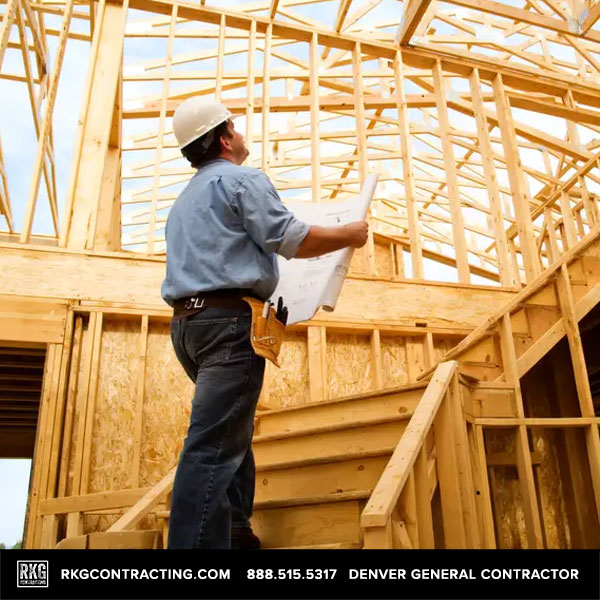

That is what separates a true Denver General Contractor from someone merely arranging labor. The professional takes ownership. They do not vanish when drawings conflict. They do not shrug when a subcontractor misses a commitment. They do not leave owners to decipher inspection comments or supplier delays. They lead.
For property owners comparing Colorado Contractors, the strongest choice is often the firm that makes the project feel understandable before it begins. Construction always contains uncertainty, but professional process reduces the amount of uncertainty you carry as the owner.
The standard you should insist on
You should expect your contractor to be technically competent, locally experienced, financially transparent, organized, communicative, properly insured, and willing to tell the truth even when the truth complicates the sale. You should expect them to understand Denver’s permitting environment, climate pressures, trade market, and building conditions. You should expect them to treat your home, business, tenants, employees, neighbors, and investment with care.
That standard is not excessive. It is the baseline for professional Contracting Services Denver owners deserve.
If a contractor cannot explain their estimate, cannot describe their process, cannot provide documentation, cannot discuss risks, or cannot tell you who will actually run the job, keep looking. If they pressure you to skip permits, avoid written change orders, or make a decision before you understand the scope, keep looking. If their number is much lower than everyone else’s and their explanation feels thin, keep looking.
The right contractor makes you more confident, not because they promise an effortless project, but because they show you how they will manage a real one. They know construction involves dust, noise, surprises, and decisions. They also know how to bring order to that complexity.
For Denver property owners, that is the real expectation. Not perfection. Professional control. Clear communication. Skilled execution. Honest pricing. Local judgment. A finished building that works the way it should, and a process you would be willing to repeat.
RKG Contracting
575 E 49th Ave, Denver, CO 80216
Phone (720) 477-4757
Find us on https://www.youtube.com/@RKGcontracting